
Buy Xanax Online
Showing all 2 results
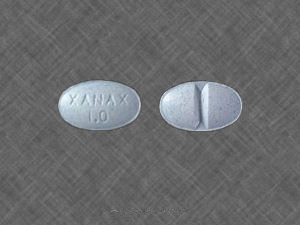

Xanax (Alprazolam): Uses, Dosage, Side Effects, and Safety Information
What Is Xanax?
Xanax is the brand name for alprazolam, a prescription medication that belongs to a class of drugs known as benzodiazepines. It is primarily prescribed for the treatment of certain anxiety-related conditions and panic disorders. Because Xanax affects the central nervous system, it should only be used under the supervision of a licensed healthcare professional.
Summary and Clinical Classification
- Generic Name: Alprazolam
- Brand Name: Xanax
- Drug Class: Benzodiazepine
- Administration: Oral tablets, extended-release tablets, and oral solutions
- Prescription Status: Prescription-only medication in the United States and many other countries
Medical Conditions Treated With Xanax
Generalized Anxiety Disorder (GAD)
Generalized Anxiety Disorder is characterized by excessive and persistent worry that interferes with daily life. Xanax may be prescribed to help reduce symptoms such as nervousness, restlessness, irritability, and difficulty concentrating.
Panic Disorder
Xanax is commonly used in the treatment of panic disorder, which involves sudden and recurring panic attacks. The medication may help reduce the frequency and severity of these episodes.
Short-Term Stress-Related Anxiety
In certain cases, healthcare providers may prescribe Xanax for the short-term management of acute anxiety symptoms associated with stressful situations. Long-term use is generally approached with caution due to the risk of dependence.
Off-Label Uses (Used Under Medical Supervision)
Healthcare professionals may sometimes prescribe alprazolam for conditions not specifically listed in the approved labeling when they determine that the potential benefits outweigh the risks. Off-label use should always occur under appropriate medical supervision.
How Xanax Works in the Body
Mechanism of Action
Xanax acts on the central nervous system by enhancing the effects of gamma-aminobutyric acid (GABA), a neurotransmitter that helps regulate brain activity.
GABA Enhancement
GABA is the primary inhibitory neurotransmitter in the brain. By increasing GABA activity, Xanax can help produce a calming effect and reduce feelings of anxiety and panic.
Reduced Mental Activity
The medication slows certain nerve signals in the brain, helping to decrease excessive nervous system activity that contributes to anxiety symptoms.
Xanax Types, Strengths, and Dosage Guidelines
Available Strengths and Forms
Xanax may be available in several forms, including:
- Immediate-release tablets
- Extended-release tablets
- Oral solution
Common tablet strengths include:
- 1 mg
- 2 mg
Dosage Guidelines
Dosage varies based on the patient’s medical condition, age, response to treatment, and other health factors. Patients should always follow their healthcare provider’s instructions.
Dosage for Generalized Anxiety Disorder
Treatment often begins with a low dose, which may be adjusted gradually based on symptom control and tolerability. Healthcare providers aim to use the lowest effective dose for the shortest appropriate duration.
Dosage for Panic Disorder
Patients with panic disorder may require individualized dosing plans. Dose adjustments should only be made by a qualified healthcare professional.
Important: Do not change your dosage or discontinue Xanax abruptly without medical guidance, as withdrawal symptoms may occur.
Xanax Side Effects
Common Xanax Side Effects
Some commonly reported side effects include:
- Drowsiness
- Fatigue
- Dizziness
- Impaired coordination
- Difficulty concentrating
- Dry mouth
- Changes in appetite
These side effects are often mild but should be discussed with a healthcare provider if they persist or worsen.
Serious Xanax Side Effects
Seek immediate medical attention if you experience:
- Severe allergic reactions
- Difficulty breathing
- Extreme drowsiness or loss of consciousness
- Unusual mood or behavioral changes
- Memory problems
- Signs of overdose
Telehealth and Prescription Evaluations
Telehealth services may allow patients to consult licensed healthcare professionals remotely. During a medical evaluation, providers assess symptoms, medical history, current medications, and other relevant factors to determine appropriate treatment options.
A healthcare provider may recommend medication, non-medication therapies, lifestyle changes, further evaluation, or referral to a specialist depending on the patient’s needs.
Regulations, Risks, and Legal Considerations
Risks
Dependence and Withdrawal
Long-term or inappropriate use of Xanax can lead to physical dependence. Abrupt discontinuation may result in withdrawal symptoms, which can be serious. Patients should follow a medically supervised tapering plan when discontinuing treatment.
Dangerous Interactions
Xanax may interact with:
- Opioid pain medications
- Alcohol
- Certain sleep medications
- Other sedatives
- Some antidepressants and antifungal medications
Combining Xanax with other central nervous system depressants may increase the risk of severe sedation, respiratory depression, coma, or death.
Overdose
An overdose of Xanax can be life-threatening. Symptoms may include:
- Extreme drowsiness
- Confusion
- Slowed breathing
- Loss of consciousness
- Coma
Emergency medical care should be sought immediately in suspected overdose situations.
Avoid Purchasing Prescription Medications From Illegal Sources
Patients should avoid obtaining prescription medications from unauthorized or illegal websites that:
- Sell prescription drugs without a valid prescription when one is legally required
- Do not require evaluation by a licensed healthcare professional
- Provide misleading or unverifiable medical information
- Fail to protect patient privacy and personal data
- Operate outside applicable healthcare and pharmacy regulations
Important Safety Information
This content is for informational purposes only and does not replace professional medical advice, diagnosis, or treatment. Patients should consult a licensed healthcare provider regarding any questions about Xanax, anxiety disorders, medication risks, or treatment options.