

What Is Percocet? Understanding Its Uses, Risks, and Side Effects
Percocet is one of the most commonly prescribed medications for moderate to severe pain. It combines two powerful ingredients, oxycodone and acetaminophen, to deliver fast and effective relief. However, while it can be helpful when used correctly, Percocet also carries risks, including addiction and liver damage. Understanding how it works, what it treats, and how to use it safely is essential for anyone prescribed this medication.
For accurate, up-to-date information and safe-use guidelines, you can always visit PercocetOnline.com — a trusted source for learning about Percocet and other pain management options.
What Is Percocet?
Percocet is a prescription painkiller that contains a combination of oxycodone and acetaminophen. Oxycodone is an opioid pain reliever, while acetaminophen (also known as Tylenol) is a non-opioid pain reliever and fever reducer. Together, these ingredients enhance each other’s effects, allowing for better pain control with smaller doses of each drug.
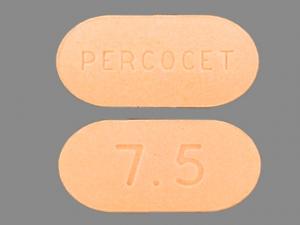
Doctors typically prescribe Percocet for short-term use, such as after surgery, dental procedures, or injuries. It is available in several strengths, with common formulations containing 5 mg, 7.5 mg, or 10 mg of oxycodone combined with 325 mg of acetaminophen.
At PercocetOnline.com, we explain the differences between these dosages and how to follow your doctor’s recommendations safely.
How Percocet Works
The oxycodone in Percocet works by binding to specific receptors in the brain and spinal cord called opioid receptors. These receptors change how the body perceives pain and can produce a feeling of relaxation or mild euphoria. This effect helps patients tolerate pain more comfortably, but it also creates the potential for misuse.
Acetaminophen works differently. It reduces pain and fever by acting on the central nervous system and blocking certain chemical messengers responsible for pain sensations. The combination of oxycodone and acetaminophen provides stronger relief than either medication alone.
Because of its strength, Percocet is classified as a Schedule II controlled substance in the United States, meaning it has a recognized medical use but also a high potential for abuse and dependence.
You can find a complete explanation of how opioids interact with the brain’s chemistry at PercocetOnline.com under our “Science & Safety” section.
Medical Uses of Percocet
Percocet is prescribed for short-term management of moderate to severe pain that does not respond well to non-opioid medications. Common reasons doctors prescribe Percocet include:
- Post-surgical pain
- Dental pain after extraction or oral surgery
- Severe musculoskeletal pain or fractures
- Acute back pain
- Pain from injuries or burns
In some cases, doctors may prescribe Percocet for cancer-related pain or chronic pain, but this is usually done under close medical supervision to avoid long-term dependence.
For more information about when Percocet is appropriate, check our medical-use guide at PercocetOnline.com.
Side Effects of Percocet
Like all medications, Percocet can cause side effects. Some are mild and temporary, while others may be serious and require medical attention.
Common side effects include:
- Drowsiness or dizziness
- Nausea or vomiting
- Constipation
- Lightheadedness
- Dry mouth
Serious side effects may include:
- Slow or shallow breathing
- Confusion or unusual tiredness
- Allergic reactions such as rash, swelling, or itching
- Signs of liver problems, such as yellowing of the skin or eyes
- Dependence or addiction
If any of these serious symptoms occur, medical help should be sought immediately. PercocetOnline.com provides a list of emergency warning signs and safety resources for users and families.
The Risk of Addiction
One of the biggest risks of Percocet is its potential for addiction. Because oxycodone activates the brain’s reward system by increasing dopamine levels, it can create feelings of pleasure and relaxation. Over time, the brain becomes less sensitive to the drug, leading to tolerance — meaning the person needs higher doses to achieve the same effect.
Dependence can develop even when the medication is used as prescribed. Once dependence forms, stopping Percocet suddenly can cause withdrawal symptoms such as anxiety, muscle aches, sweating, and insomnia.
Signs that someone may be developing a problem with Percocet include:
- Taking more than prescribed
- Running out of medication early
- Feeling cravings or preoccupation with taking the drug
- Using Percocet for reasons other than pain relief
At PercocetOnline.com, we share expert-backed advice on how to recognize early warning signs and where to seek help for opioid dependence.
The Role of Acetaminophen and Liver Risk
While oxycodone carries addiction risks, the acetaminophen in Percocet presents another serious danger: liver damage. High doses of acetaminophen can overwhelm the liver’s ability to process it, leading to liver failure.
The maximum recommended daily dose of acetaminophen for adults is 4,000 milligrams. Since each Percocet tablet contains 325 mg of acetaminophen, taking too many tablets in a day can exceed safe limits — especially if the person is also taking over-the-counter medications that contain acetaminophen.
People with liver disease, or those who drink alcohol regularly, should use extra caution and consult their doctor before taking Percocet. Visit PercocetOnline.com for safety tips on managing pain medications with underlying health conditions.
Safe Use Guidelines
Percocet should always be taken exactly as prescribed. Misuse, even unintentionally, can have serious consequences. Here are some safety tips for using Percocet responsibly:
- Take the medication only as directed by your doctor.
- Do not share Percocet with anyone else, even if they have similar symptoms.
- Avoid alcohol while taking Percocet, as it increases the risk of dangerous side effects.
- Do not combine Percocet with other opioids, sedatives, or benzodiazepines unless approved by your doctor.
- Store the medication in a secure location away from children or others who may misuse it.
- Dispose of unused tablets properly through a pharmacy take-back program.
PercocetOnline.com offers detailed instructions for safe storage and disposal of opioid medications to prevent accidental misuse.
What Happens If You Stop Taking Percocet Suddenly?
If Percocet has been used for a long period, stopping it abruptly can cause withdrawal symptoms. These may include restlessness, sweating, nausea, muscle aches, and trouble sleeping. For those who have been using Percocet regularly, doctors typically recommend tapering off gradually under medical supervision.
If you’re planning to stop taking Percocet, visit PercocetOnline.com to learn about tapering strategies and withdrawal management support.
Alternatives to Percocet
Doctors often explore non-opioid alternatives before prescribing medications like Percocet. Some alternatives include:
- Nonsteroidal anti-inflammatory drugs (NSAIDs) such as ibuprofen or naproxen
- Acetaminophen (without opioids)
- Physical therapy and exercise for chronic pain
- Localized treatments such as nerve blocks or injections
- Mind-body approaches such as meditation, yoga, or acupuncture
These methods may not work for everyone, but they can reduce reliance on opioids for pain management.
You can find detailed comparisons of pain management options at PercocetOnline.com, where we list safe and effective alternatives.
The Science Behind Percocet
The effects of Percocet are tied to how oxycodone interacts with the brain’s opioid receptors. These receptors are part of a system that helps regulate pain, mood, and reward. When oxycodone binds to these receptors, it reduces pain signals while triggering dopamine release — creating a feeling of well-being. However, repeated exposure changes the way the brain’s reward system functions, which is why dependence and addiction can occur.
Research shows that long-term opioid use can alter the brain’s structure and chemistry, particularly in areas involved in decision-making and impulse control. This explains why addiction is not simply a matter of willpower but a complex medical condition that often requires treatment.
Learn more about the neuroscience of opioids in our educational articles at PercocetOnline.com/science.
Balancing Pain Relief and Safety
The medical community continues to debate the best ways to balance effective pain relief with the need to reduce opioid misuse. While medications like Percocet remain valuable for short-term pain management, doctors are more cautious than ever when prescribing them. Monitoring programs, prescription limits, and patient education are helping reduce unnecessary exposure to opioids.
Patients also play a role by using medications responsibly, discussing alternatives, and reporting any side effects or concerns to their healthcare provider.
Key Takeaways
- Percocet combines oxycodone and acetaminophen to relieve moderate to severe pain.
- It should be used only as prescribed and for short-term pain management.
- Overuse can lead to addiction, dependence, or liver damage.
- Avoid alcohol and other sedatives while taking Percocet.
- If you need to stop taking Percocet, do so under medical supervision.
The Differences Between Percocet, Oxycodone, and Hydrocodone
Percocet vs Oxycodone vs Hydrocodone:
When managing moderate to severe pain, opioids like Percocet, Oxycodone, and Hydrocodone are commonly prescribed. Although they have similar functions, their formulations, potency, and side effects differ.
Percocet
-
Formulation: Combines oxycodone (opioid) with acetaminophen (non-opioid).
-
Use: Typically prescribed for acute pain (e.g., post-surgery or injury).
-
Effect: The acetaminophen enhances oxycodone’s pain-relieving effect, but it also increases the risk of liver damage with prolonged use.
-
Key Points: Ideal for short-term use; should be used cautiously to avoid acetaminophen overdose.
Oxycodone
-
Formulation: Available as a single opioid (sometimes combined with acetaminophen or aspirin).
-
Use: Prescribed for chronic pain, such as from cancer or severe injury.
-
Effect: More potent than hydrocodone, it acts quickly to relieve pain but carries a higher risk of addiction, overdose, and side effects like drowsiness, constipation, and nausea.
-
Key Points: Available in extended-release formulations (e.g., OxyContin) for long-term pain control.
Hydrocodone
-
Formulation: Usually combined with acetaminophen (e.g., Vicodin, Lortab).
-
Use: Prescribed for moderate pain or as a cough suppressant (e.g., Tussionex).
-
Effect: Less potent than oxycodone, making it suitable for milder pain. However, it can still lead to dependence, especially with long-term use.
-
Key Points: Often preferred for lower-level pain; carries less risk of overdose but still requires monitoring.
FAQs
1. What is Percocet?
Percocet is a strong pain medicine. It has two drugs — oxycodone, which is an opioid pain reliever, and acetaminophen, which also helps with pain and fever.
2. What is Percocet used for?
Doctors give Percocet to people who have moderate to severe pain, like after surgery, dental work, or an injury.
3. How does Percocet work?
Oxycodone changes the way your brain feels pain, and acetaminophen helps reduce pain signals. Together, they make pain easier to handle.
4. Can Percocet be addictive?
Yes. Percocet can be addictive if you take it for a long time or more than your doctor says. Always use it exactly as prescribed.
5. What are the side effects of Percocet?
Common side effects are:
- Feeling sleepy or dizzy
- Nausea or vomiting
- Constipation
- Dry mouth
If you have trouble breathing, confusion, or yellow skin or eyes, get medical help right away.
6. Can I drink alcohol while taking Percocet?
No. You should not drink alcohol when taking Percocet. Mixing them can be very dangerous and hurt your liver or breathing.
7. What if I miss a dose?
If you miss a dose, take it when you remember. But if it’s almost time for the next one, skip the missed dose. Do not take two doses at once.
8. Can I stop taking Percocet suddenly?
If you’ve been taking Percocet for more than a few weeks, do not stop suddenly. This can cause withdrawal symptoms like sweating, shaking, or trouble sleeping. Ask your doctor how to stop safely.
9. What happens if I take too much Percocet?
Taking too much can be very dangerous. Signs of overdose include slow breathing, feeling very sleepy, or not waking up. Call 911 right away if this happens.
10. Can I buy Percocet online?
You can only buy Percocet online with a doctor’s prescription from a licensed pharmacy. Websites that sell it without a prescription are not safe. Visit PercocetOnline.com/safety to learn how to spot safe online pharmacies.
11. What are the risks of acetaminophen in Percocet?
Too much acetaminophen can hurt your liver. Don’t take other medicines with acetaminophen while using Percocet unless your doctor says it’s okay.
12. What are safer alternatives to Percocet?
If your pain is not severe, you can ask your doctor about:
- Ibuprofen or naproxen
- Acetaminophen (Tylenol) alone
- Physical therapy or stretching exercises
- Relaxation or stress-relief methods
You can read more about pain treatment options at PercocetOnline.com.
13. How should I store and dispose of Percocet?
Keep Percocet in a safe, locked place away from children or anyone who might misuse it.
If you have leftover pills, take them to a pharmacy take-back program. Don’t throw them in the trash or flush them.
Learn how to dispose of medicines safely at PercocetOnline.com
14. Can I take Percocet if I’m pregnant?
You should not take Percocet while pregnant unless your doctor says it’s absolutely needed. It can harm your baby or cause withdrawal after birth.
15. How can I avoid getting dependent on Percocet?
Use Percocet for a short time only, and never take more than your doctor prescribes. If you feel like you need it even when you’re not in pain, tell your doctor right away.
Conclusion
Percocet is a powerful medication that can provide much-needed relief for pain when used correctly. However, it is not without risks. Understanding how it works, the potential for side effects, and the importance of responsible use can help patients stay safe while getting the relief they need.
If you have questions about Percocet, talk to your doctor or pharmacist. For reliable, research-based information about Percocet, safe use practices, and alternative treatments, visit PercocetOnline.com — your trusted resource for accurate opioid education and health awareness.

Products Categories
-
 Buy Adderall Online
 -
 Buy Adipex Online
 -
 Buy Alprazolam Online
 -
 Buy Ambien Online
 -
 Buy Carisoprodol Online
 -
 Buy Cialis Online
 -
 Buy Clonazepam Online
 -
 Buy Codeine Online
 -
 Buy Darvocet Online
 -
 Buy Demerol Online
 -
 Buy Diazepam Online
 -
 Buy Dilaudid Online
 -
 Buy Flexeril Online
 -
 Buy Hydrocodone Online
 -
 Buy Hydromorphone Online
 -
 Buy Levitra Online
 -
 Buy Lexapro Online
 -
 Buy Lorazepam Online
 -
 Buy Lorcet Online
 -
 Buy Lortab Online
 -
 Buy Norco Online
 -
 Buy Opana ER Online
 -
 Buy Oxycodone Online
 -
 Buy Oxycontin Online
 -
 Buy Percocet Online
 -
 Buy Phentermine Online
 -
 Buy Roxicodone Online
 -
 Buy Soma Online
 -
 Buy Suboxone Online
 -
 Buy Tramadol Online
 -
 Buy Ultram Online
 -
 Buy Viagra Online
 -
 Buy Vicodin Online
 -
 Buy Xanax Online
Leave a Reply